Pet product photography and photoshoot ideas for high-growth catalogs

    Build clean listing images, size-and-feature detail shots, and lifestyle scenes that show how pet products look in real use.

    Free Trial

    Premium bamboo pet grooming brush close-up showing wood texture and metal pins.
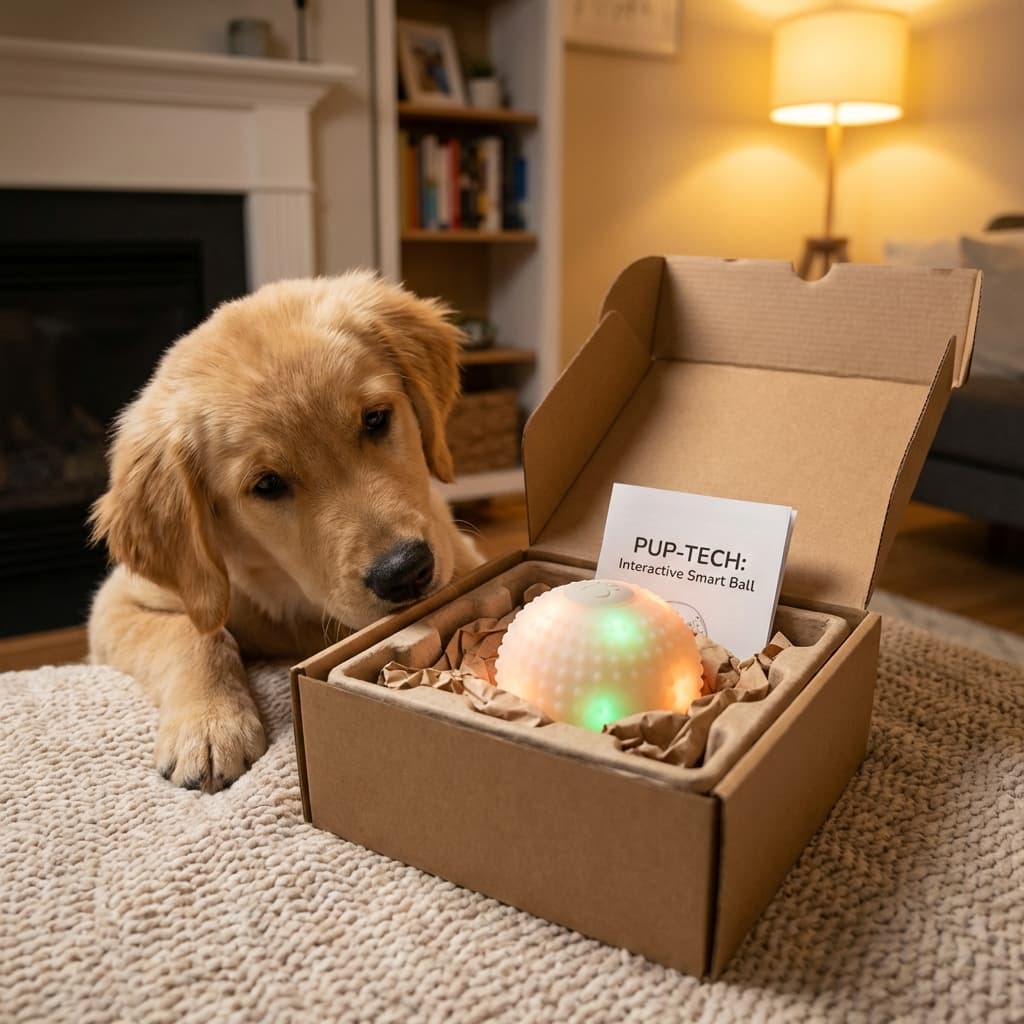
    Unboxing of a smart interactive dog toy with a golden retriever puppy watching.
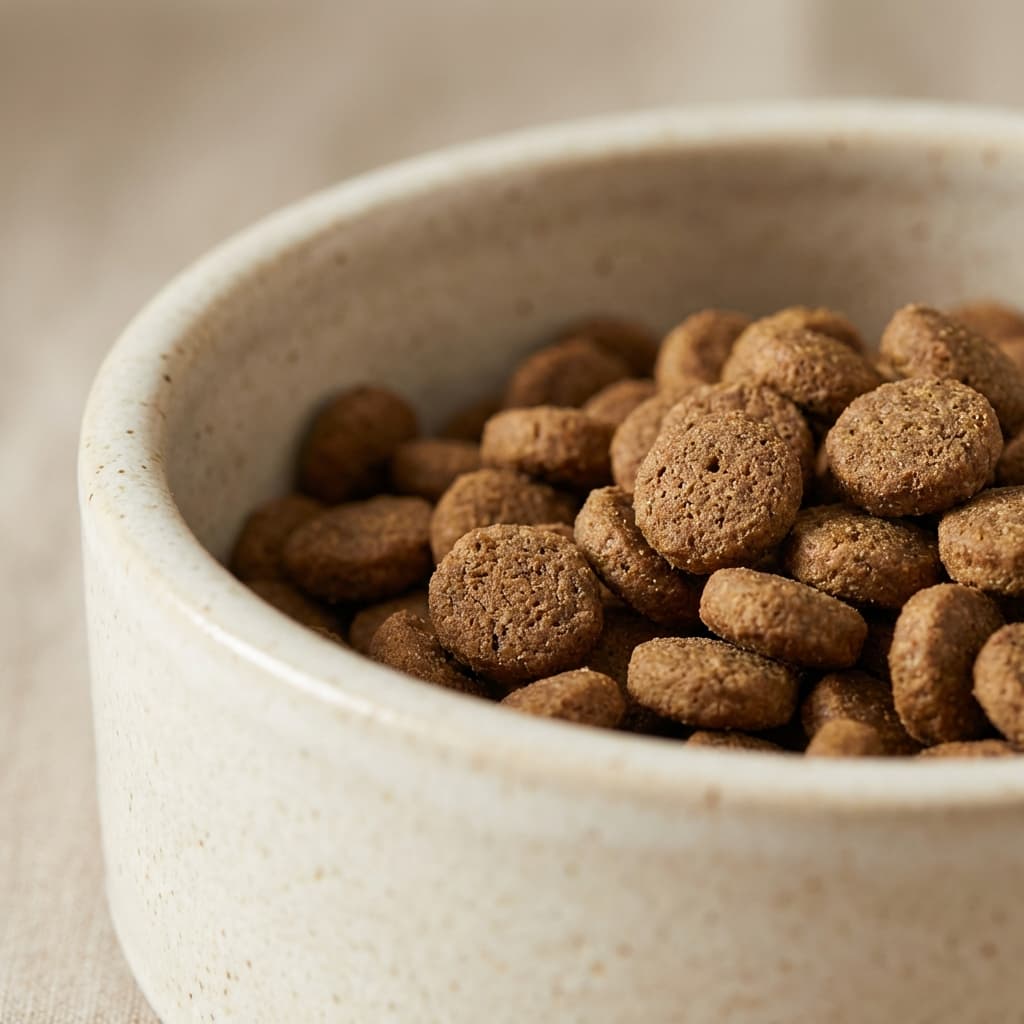
    Macro close-up of a ceramic pet food bowl with kibble, high detail texture, neutral background.
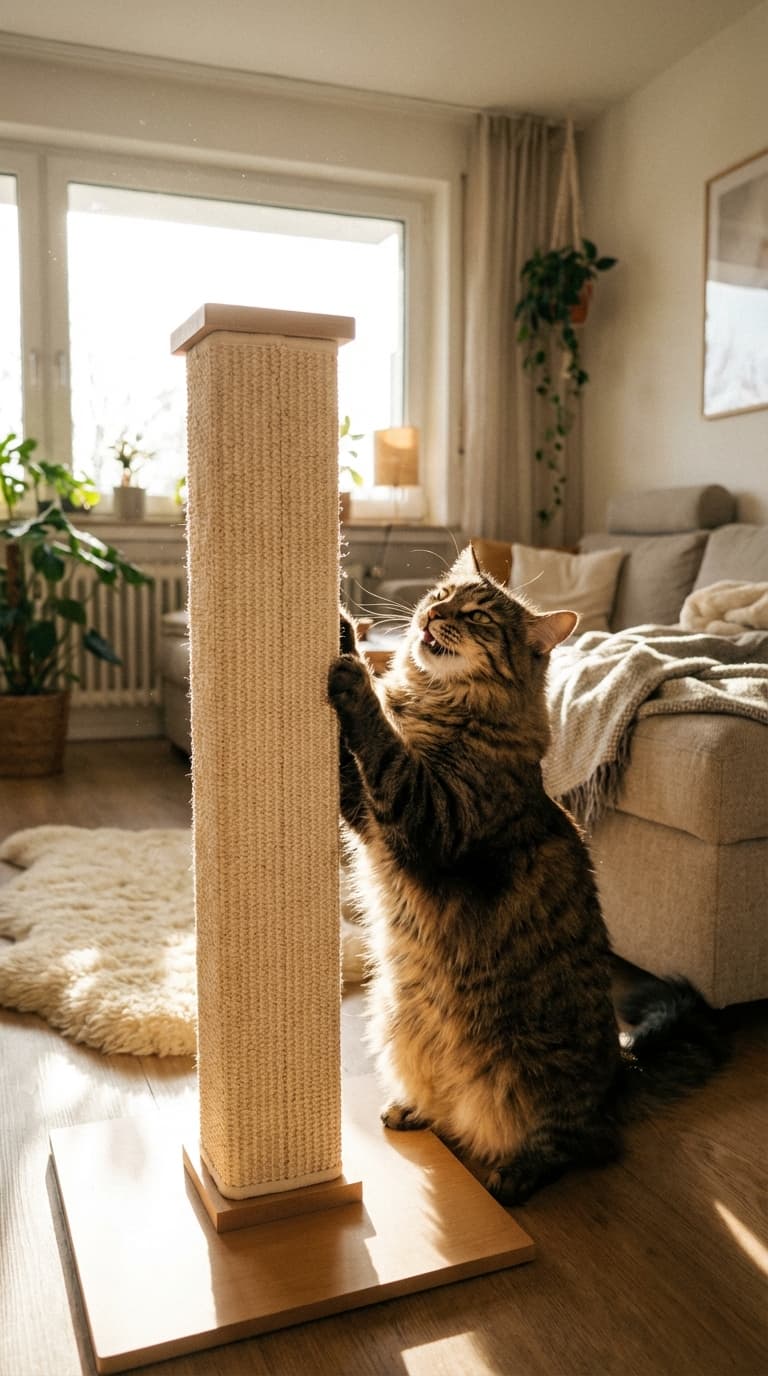
    Cat scratching a modern beige post in a cozy living room.
    Beige orthopedic pet bed flat lay on white background. Memory foam texture details for ecommerce.
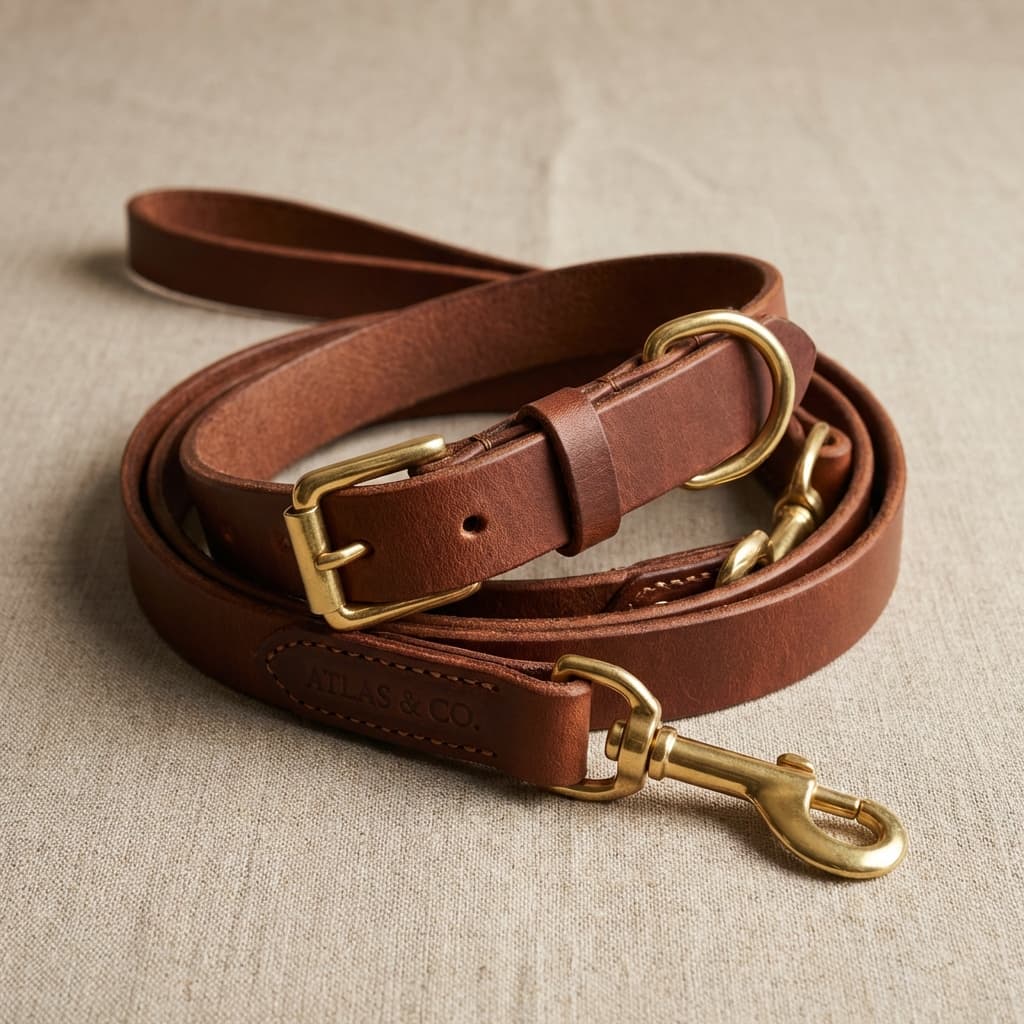
    Premium leather dog leash and collar set on beige background. Professional studio product photography for ecommerce.
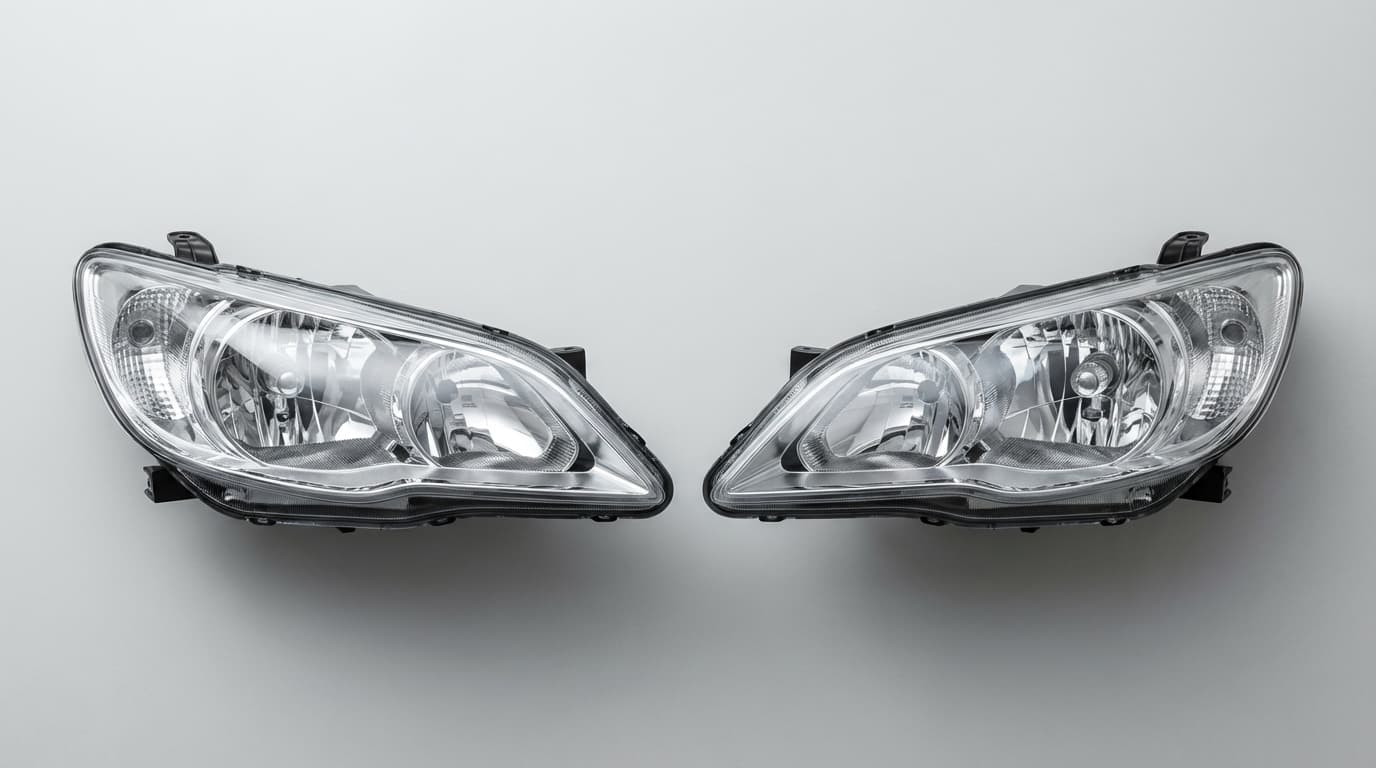
    Pair of car front headlights in a minimal flat lay arrangement on a neutral background for ecommerce.
    Close-up of alloy car wheel in motion on asphalt road, realistic automotive photography.

    E-commerce brands that already trust us

    Official logo of Balteus, a ButterflAI customer brand
    Official logo of Papira, a ButterflAI customer brand
    Official logo of Vinkova, a ButterflAI customer brand
    Official logo of Samo, a ButterflAI customer brand
    Official logo of Quelton, a ButterflAI customer brand
    Official logo of Masco beauty, a ButterflAI customer brand
    Official logo of Tostado, a ButterflAI customer brand

    Pet product photography examples for ecommerce and ads

    Nine image directions spanning compliance-ready packshots, feature-led close-ups, and playful lifestyle scenes.

    What strong pet product photography needs to show

    Pet category search results usually blend clean ecommerce images with feature clarity and believable lifestyle context.

    Clean hero shots for listings

    Beds, toys, feeders, and grooming products need simple product-first images that work for marketplaces, search grids, and fast comparison.

    Feature and size context

    Close-ups help buyers inspect closures, bowls, fabrics, chew textures, and setup details while size cues reduce hesitation.

    Lifestyle scenes with believable use

    The strongest pet visuals show how the product fits into daily use without making the scene feel staged or unrealistic for the animal.

    How to plan a better pet product photoshoot

    Premium bamboo pet grooming brush close-up showing wood texture and metal pins.

    1. Start with the clean product listing image

    Create the base packshot first so toys, beds, feeders, grooming tools, and accessories stay clearly isolated and easy to compare.

    Unboxing of a smart interactive dog toy with a golden retriever puppy watching.
    Macro close-up of a ceramic pet food bowl with kibble, high detail texture, neutral background.
    Cat scratching a modern beige post in a cozy living room.
    Beige orthopedic pet bed flat lay on white background. Memory foam texture details for ecommerce.

    2. Map feature and size support shots

    Plan the close-ups and angle variations that show closures, textures, compartments, or size context buyers need before purchasing.

    Premium leather dog leash and collar set on beige background. Professional studio product photography for ecommerce.
    Premium bamboo pet grooming brush close-up showing wood texture and metal pins.
    Unboxing of a smart interactive dog toy with a golden retriever puppy watching.
    Macro close-up of a ceramic pet food bowl with kibble, high detail texture, neutral background.

    3. Generate believable lifestyle scenes

    Add at-home or in-use variants that feel realistic for pets and owners, then publish the best mix for PDPs, ads, and category pages.

    Pet product photoshoot ideas for ecommerce teams

    Common pet shot types and lifestyle setups that appear across high-intent listings, guides, and service pages.

    PDP

    Toy, bed, or feeder on white

    Lead with a straightforward product-only image that keeps the shape, opening, color, and materials easy to evaluate in search and category grids.

    Detail

    Feature close-up with material focus

    Highlight stitching, fabric, chew texture, bowl depth, closures, or moving parts that often influence trust and purchase confidence.

    Lifestyle

    Pet-in-use scene at home

    Show the product in a believable domestic context so shoppers can picture how it fits into real routines for dogs, cats, or other pets.

    Campaign

    Playful seasonal or gifting setup

    Create promotional scenes for holiday, adoption, or gifting moments while keeping the product and use case easy to understand.

    Popular use cases

    Where pet product teams gain speed and consistency.

    Catalog

    Standardize mixed product imagery

    Unify visuals across toys, feeders, beds, and grooming products from different suppliers.

    Growth

    Launch promotional visuals quickly

    Generate seasonal and campaign assets without delaying marketing execution.

    Marketplaces

    Create compliant listing images

    Prepare clear, policy-friendly sets for channels with strict visual requirements.

    Merchandising

    Highlight key product details

    Show features, textures, and size context more clearly to increase shopping confidence.

    Creative

    Test multiple scene directions

    Compare studio and lifestyle approaches to find top-performing creative per category.

    Operations

    Refresh outdated assets in bulk

    Modernize old images across large catalogs while keeping brand consistency.

    Ready to scale pet product visuals with AI?

    Free trial

    Pet products photo FAQs

    Practical answers for teams producing pet imagery with AI.

    Can AI preserve material detail in pet products?
    Yes. Controlled generation keeps fabric, plastic, and metal detail clear for product evaluation.
    How do we keep visual consistency across many categories?
    Use shared presets for lighting, background, and framing so all product families follow one style system.
    Can we generate marketplace-safe outputs?
    Yes. Teams can produce compliance-focused variants with clean backgrounds and predictable framing.
    Is this useful for campaign speed?
    Absolutely. AI workflows reduce production bottlenecks and make creative iteration much faster.
    Can we recover older low-quality assets?
    Many legacy images can be cleaned and standardized to match your current catalog quality.
    What metrics should we monitor?
    Track CTR, PDP engagement, add-to-cart, and conversion by visual style family and channel.