Beautiful skincare and beauty product photos, without expensive photo shoots

    Create studio-quality visuals for skincare and beauty products in minutes. Keep packaging clarity, texture fidelity, and color consistency across PDPs, ads, and social placements.

    Free Trial
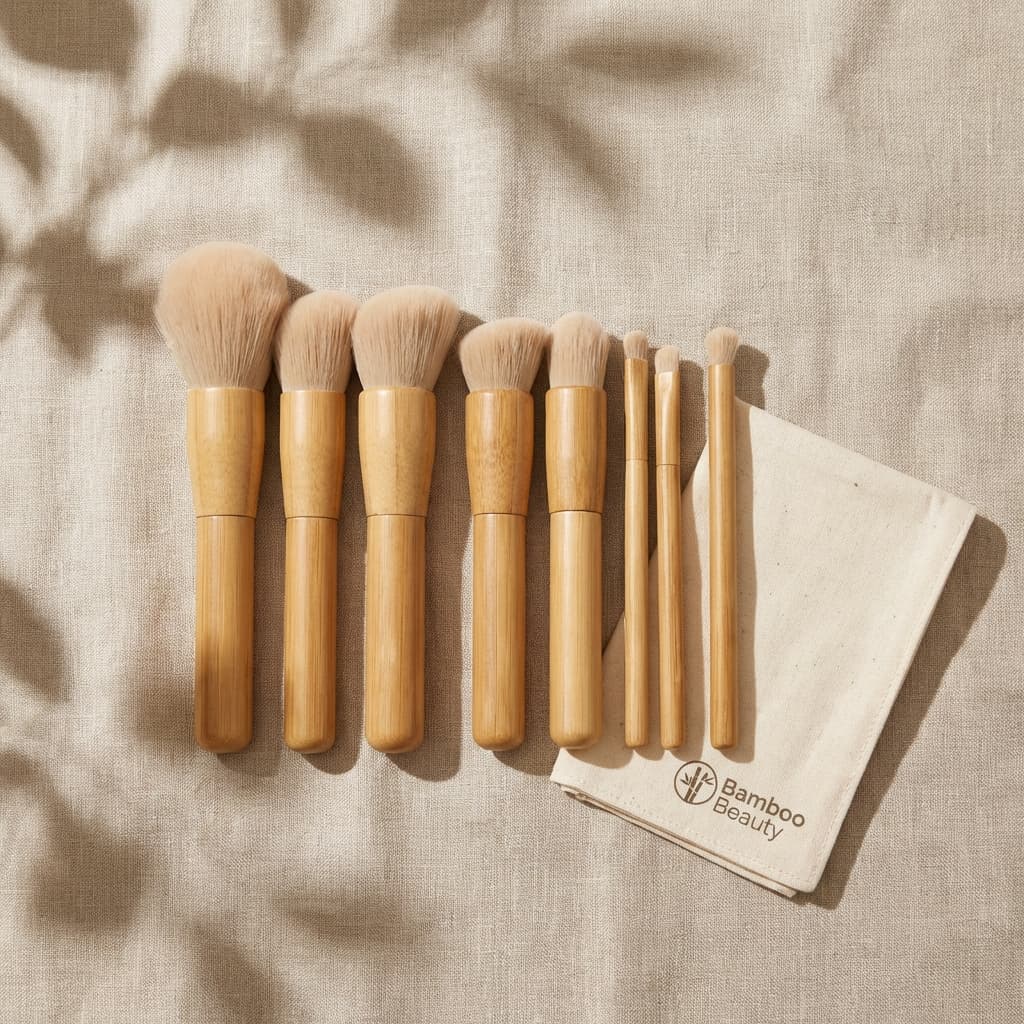
    Eco-friendly bamboo makeup brush set with soft bristles on a natural beige background.
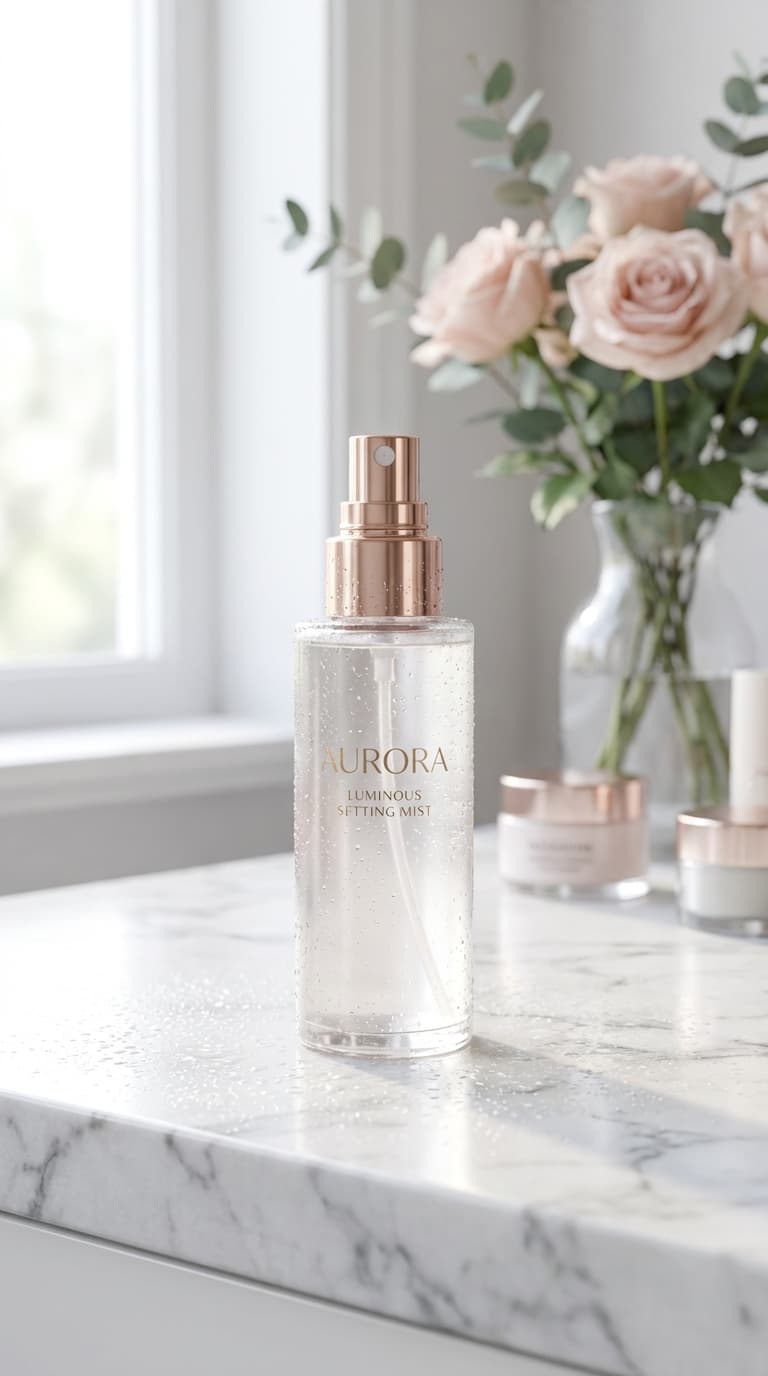
    Setting spray bottle on marble vanity with soft lighting and floral background.
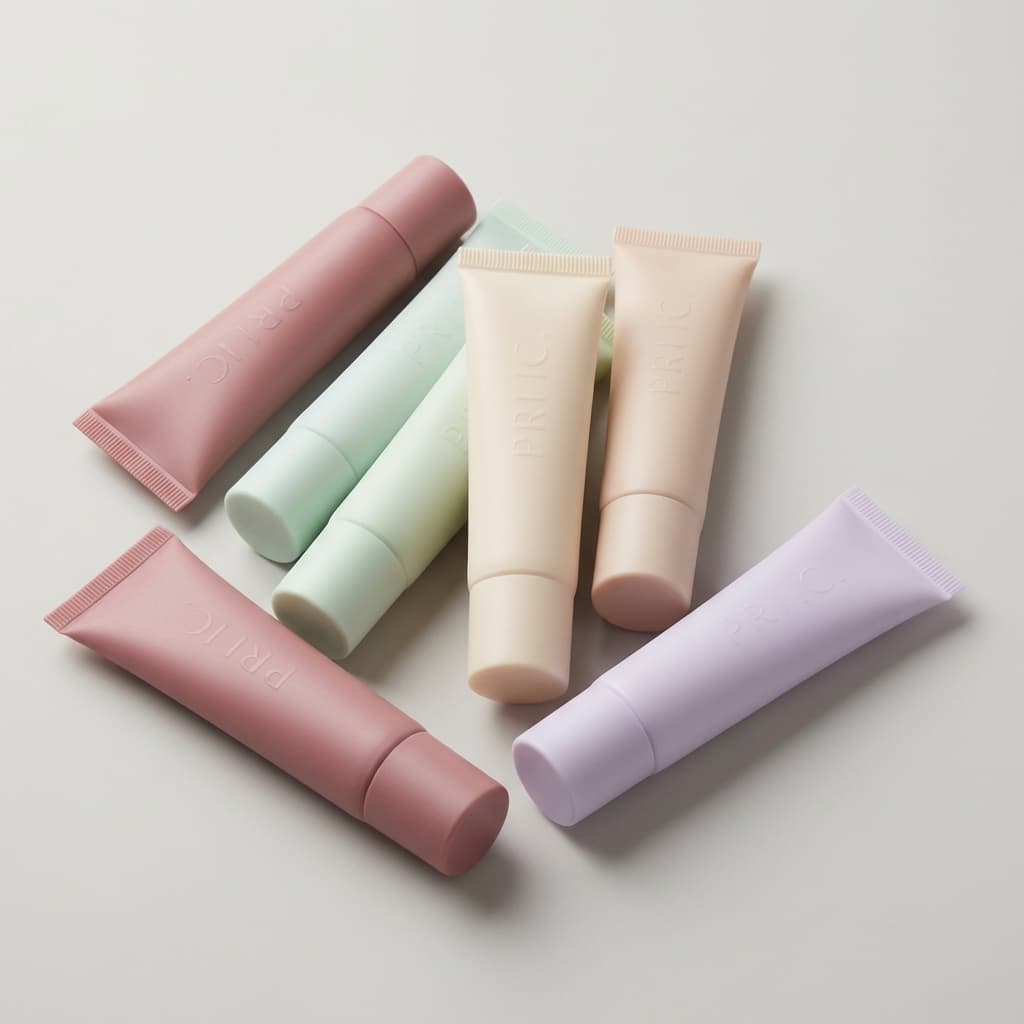
    Bundle of face primer tubes, photorealistic cosmetics set, neutral background.
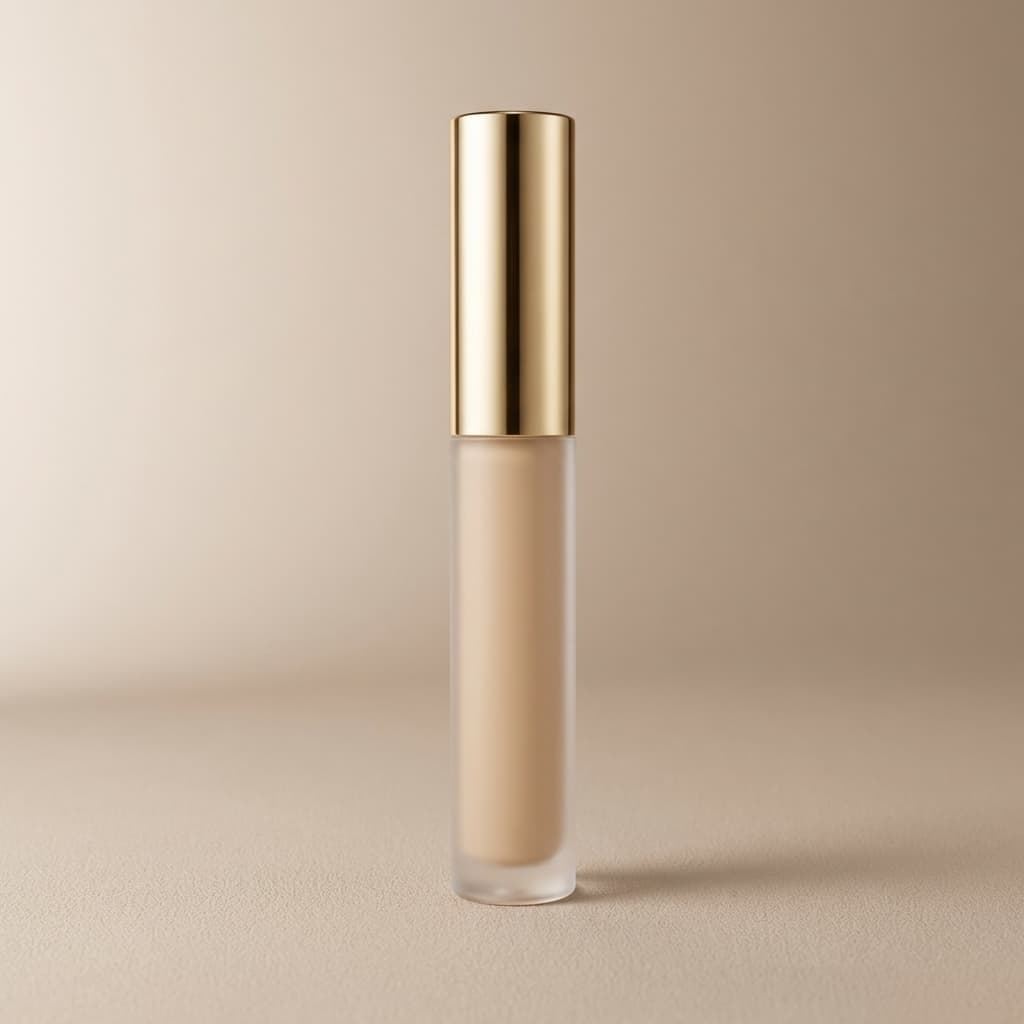
    Luxury concealer wand tube with gold accents, studio lighting for ecommerce.
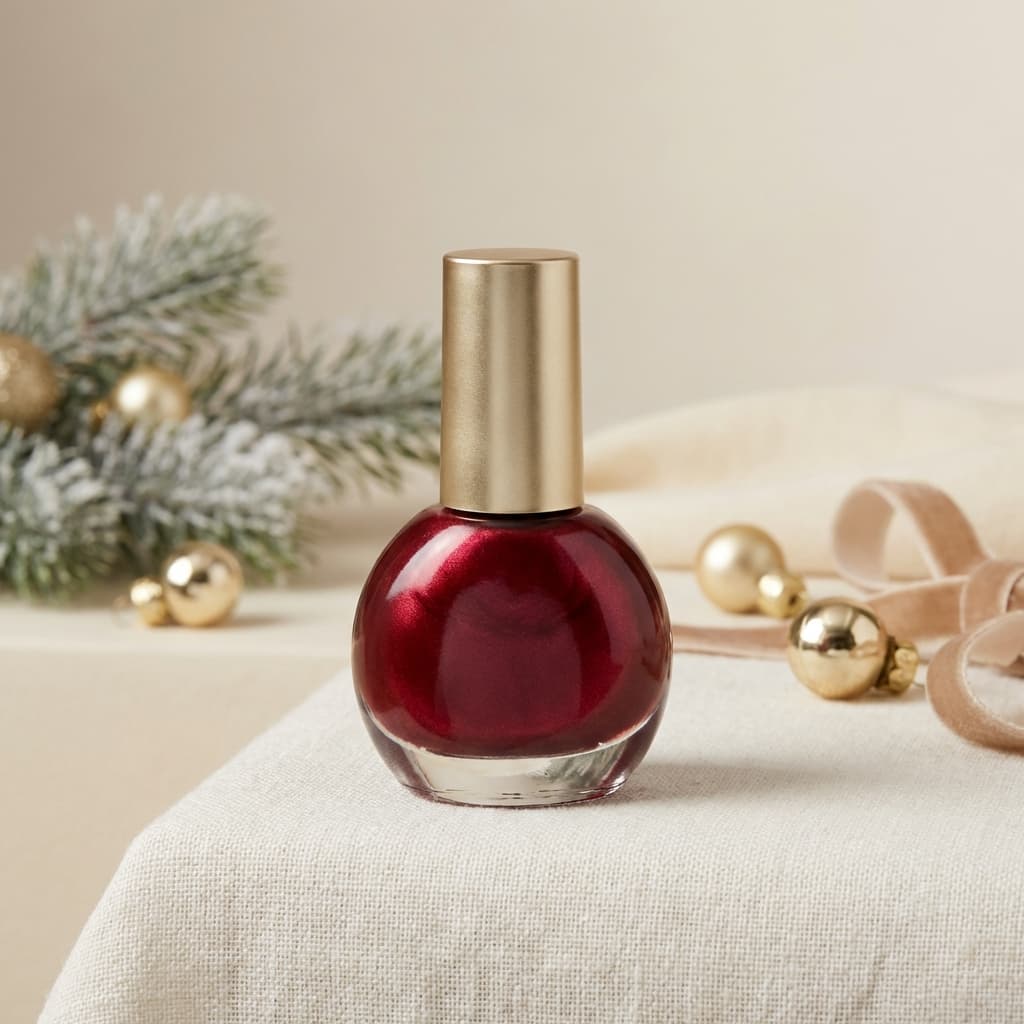
    Photorealistic nail polish bottle with seasonal vibe, professional ecommerce cosmetics image.
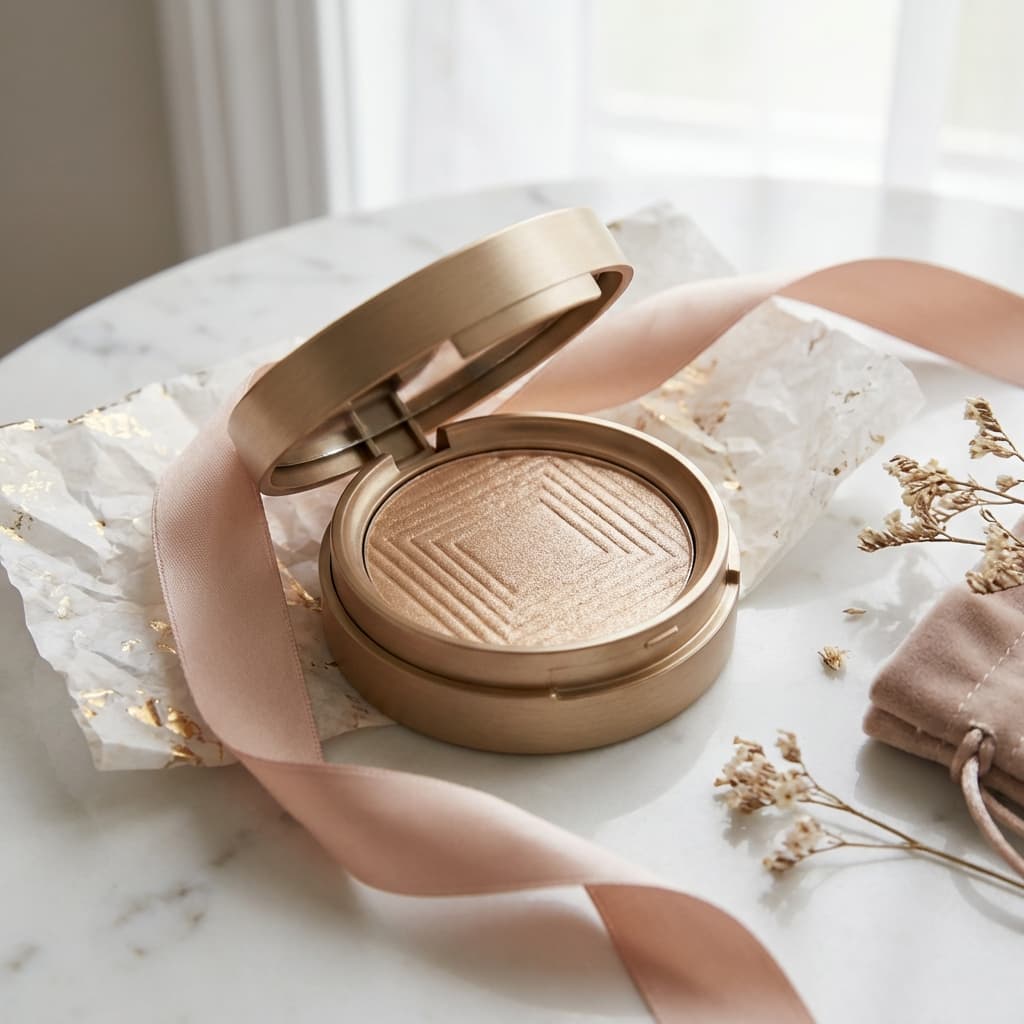
    Luxurious powder highlighter compact unboxing with tissue paper and ribbon on a marble surface.
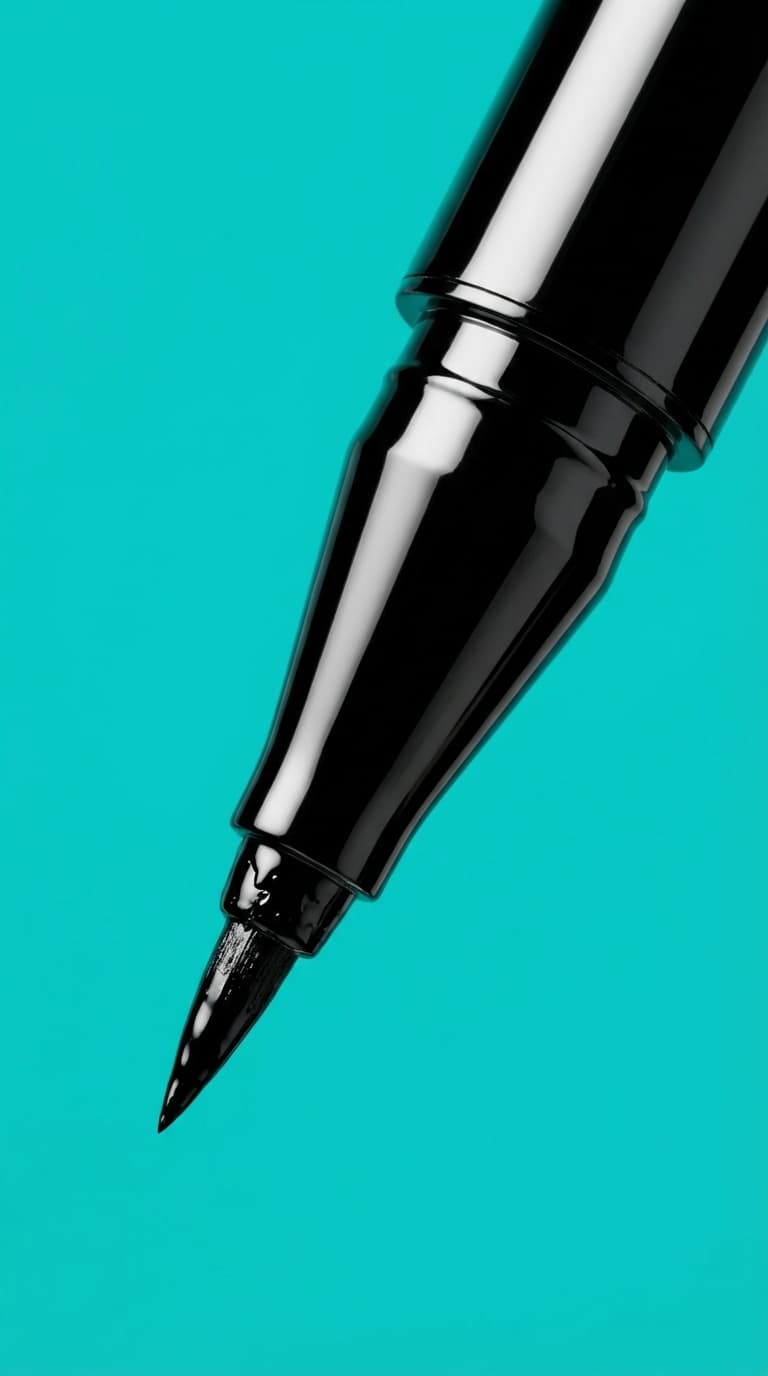
    Precision eyeliner pen on vibrant background, color pop style, high-quality cosmetic product photography.
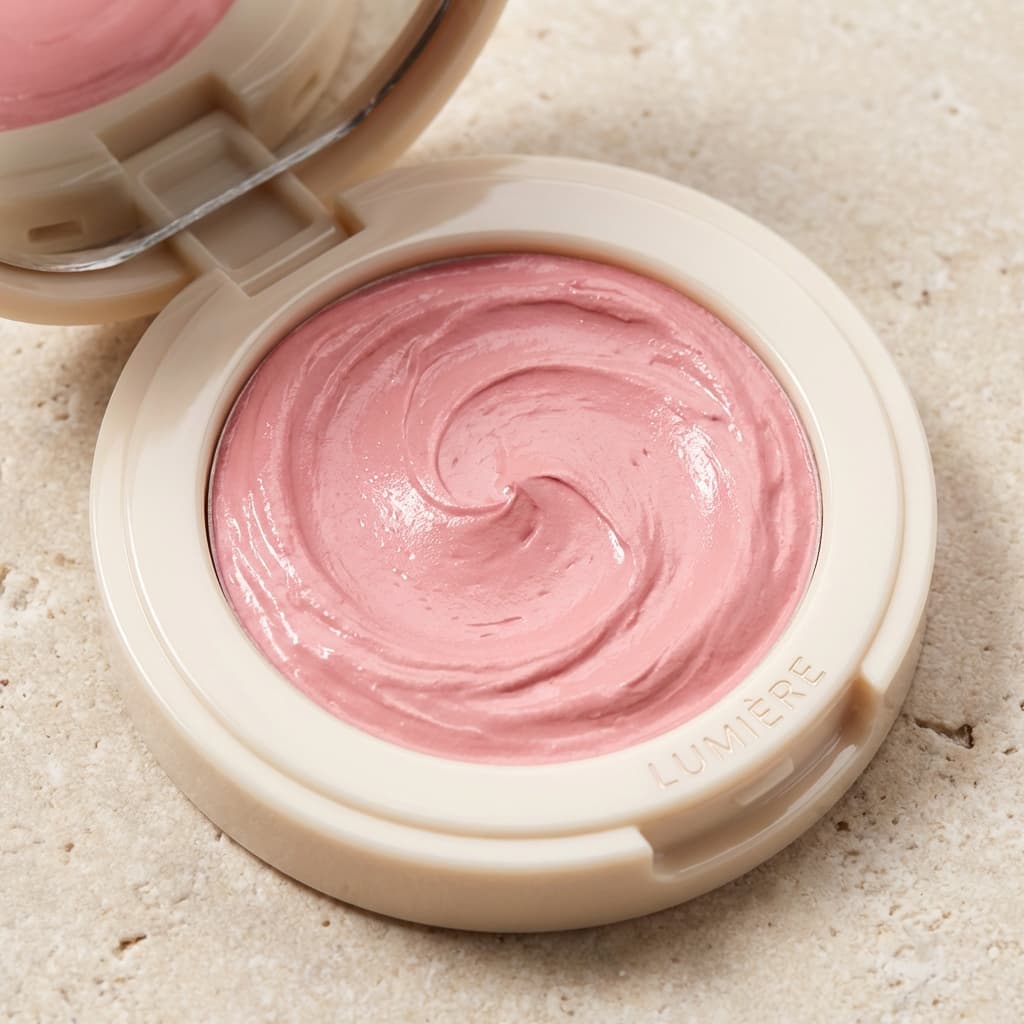
    Open cream blush compact showing creamy texture and glossy packaging on stone background.

    E-commerce brands that already trust us

    Official logo of Balteus, a ButterflAI customer brand
    Official logo of Papira, a ButterflAI customer brand
    Official logo of Vinkova, a ButterflAI customer brand
    Official logo of Samo, a ButterflAI customer brand
    Official logo of Quelton, a ButterflAI customer brand
    Official logo of Masco beauty, a ButterflAI customer brand
    Official logo of Tostado, a ButterflAI customer brand

    Skincare and beauty visuals prepared for every channel

    A responsive 3x3 image section designed for launches, catalog pages, and campaign refreshes.

    How to get beautiful skincare and beauty product photos

    Eco-friendly bamboo makeup brush set with soft bristles on a natural beige background.

    1. Remove background

    Clean source photos while preserving translucent packaging edges, glossy labels, and subtle product reflections.

    Setting spray bottle on marble vanity with soft lighting and floral background.
    Bundle of face primer tubes, photorealistic cosmetics set, neutral background.
    Luxury concealer wand tube with gold accents, studio lighting for ecommerce.
    Photorealistic nail polish bottle with seasonal vibe, professional ecommerce cosmetics image.

    2. Choose background

    Select themes that match your brand voice, from minimalist studio aesthetics to premium lifestyle scenes with controlled color accents.

    Luxurious powder highlighter compact unboxing with tissue paper and ribbon on a marble surface.
    Precision eyeliner pen on vibrant background, color pop style, high-quality cosmetic product photography.
    Open cream blush compact showing creamy texture and glossy packaging on stone background.
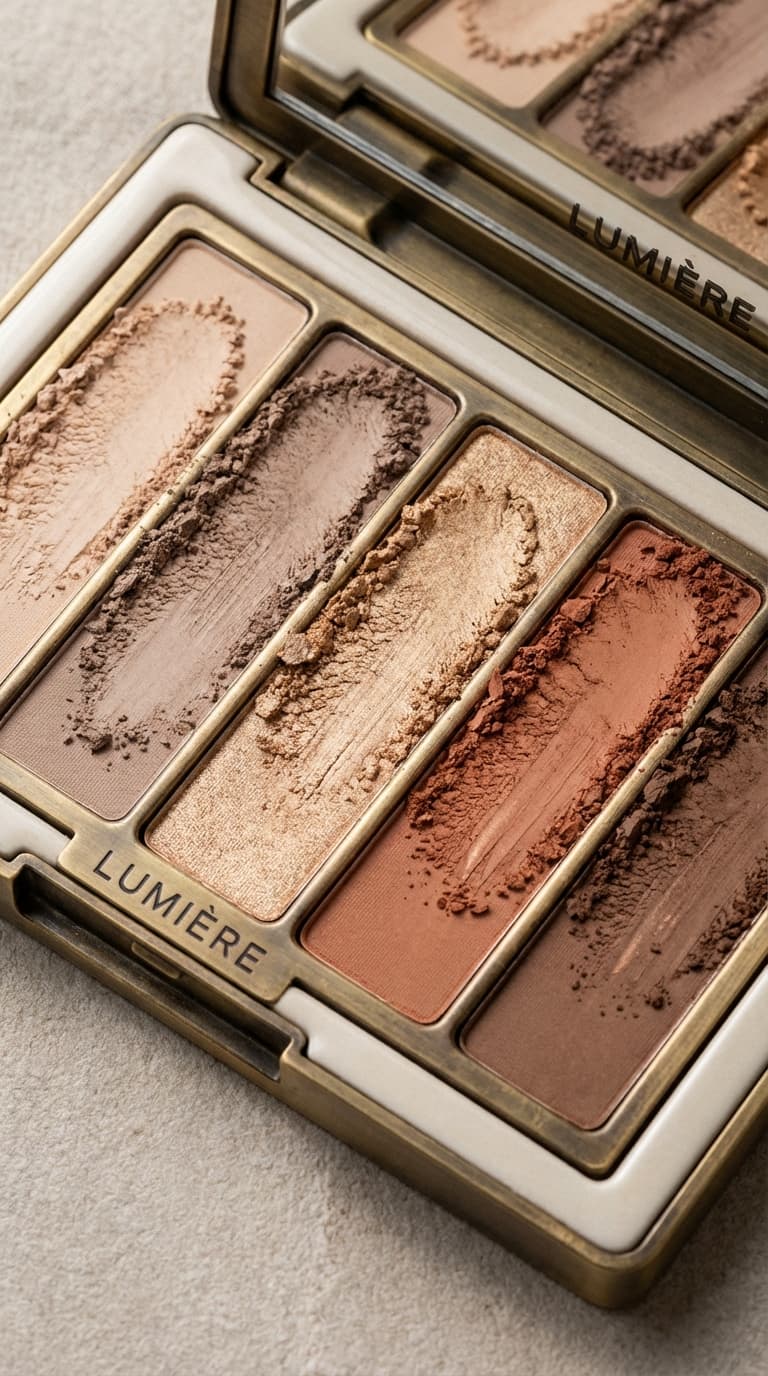
    Macro detail of neutral eyeshadow powder texture in beige and brown tones.

    3. Generate product photos

    Produce several conversion-ready visual variants quickly, then publish the best options across your ecommerce and ad channels.

    Popular use cases

    Where skincare and beauty teams get the most value from AI image production.

    DTC brands

    Refresh PDP visuals for hero products

    Upgrade top-selling serum, moisturizer, and treatment pages with consistent hero shots and detail-focused support images.

    Performance

    Generate ad-ready creative variants

    Create multiple visual angles and scene styles for paid campaigns without blocking marketing calendars.

    Retail teams

    Standardize assets across marketplaces

    Prepare compliant imagery for retailer portals and marketplaces while maintaining recognizable brand style.

    Product marketing

    Show ingredient and routine context

    Build supporting visual sets that communicate texture, usage moments, and category positioning clearly.

    Creative ops

    Scale seasonal launches

    Roll out campaign-specific backgrounds and mood variations for promotions without full studio reshoots.

    Catalog ops

    Modernize legacy product assets

    Update outdated images in bulk so the full beauty catalog keeps a coherent, premium visual standard.

    Ready to scale skincare and beauty visuals with AI?

    Free trial

    Skincare and beauty photo FAQs

    Practical answers for teams producing high-volume beauty imagery with AI.

    Can AI preserve packaging details like embossed labels and glossy finishes?
    Yes. The workflow can preserve complex packaging elements, including embossed typography, metallic caps, glossy bottles, and translucent materials when prompts and presets are controlled correctly. Most teams run a short calibration batch first, then lock successful settings to maintain sharp detail and visual consistency across full product families.
    How do we keep product color accurate for makeup and skincare lines?
    Color consistency improves when you define baseline lighting and review approved reference outputs before scaling. This helps protect shade differentiation in makeup ranges and keeps skincare packaging tones reliable across channels. With reusable presets, teams avoid color drift between campaigns and keep a more trustworthy visual experience for shoppers.
    Is this suitable for serum, cream, and cosmetic bundle photography?
    Yes. Teams use the same process for single products, duos, and larger sets by applying category-specific composition templates. You can keep a consistent visual system for serums, moisturizers, masks, and cosmetic kits while still producing enough variety for campaign needs. This improves speed without sacrificing category relevance.
    Can we produce marketplace-compliant images and brand visuals at once?
    Absolutely. Many brands run two output paths from the same source set: a compliance-friendly version for marketplaces and a richer branded version for PDPs, ads, and social. This dual-path workflow saves time because teams avoid rebuilding the same product visuals repeatedly, while still meeting strict channel requirements.
    How can we scale campaigns when launches happen every month?
    A scalable setup combines reusable presets, batch processing, and strict approval checkpoints. Teams can prepare campaign themes in advance, generate product variants quickly, and publish only approved assets by channel. This approach reduces production bottlenecks and keeps monthly launches on schedule without overwhelming design resources.
    What quality checks should beauty teams apply before publishing?
    Use a checklist that validates label legibility, color fidelity, edge cleanliness, reflection realism, and composition safety for mobile crops. Add category-specific checks for pumps, droppers, and texture visibility when relevant. Running these checks in batch review prevents weak visuals from shipping and protects conversion performance over time.
    Can AI-generated beauty visuals still feel premium and editorial?
    Yes, if you keep the visual direction intentional. Define lighting mood, background hierarchy, and product prominence rules so outputs remain brand-led rather than generic. Then curate variants with a strict taste threshold before publishing. This helps teams produce editorial-quality visuals while keeping the speed and scalability advantages of AI workflows.
    How do we organize exports for ecommerce, ads, and social?
    The most reliable process separates outputs by channel with consistent naming, SKU references, and size presets. Teams typically export approved variants into structured folders for PDP, marketplace, ad, and social use. This reduces delivery errors, simplifies handoff between teams, and makes future refreshes much faster to execute.
    Can we improve old product photos instead of redoing every shoot?
    Yes. Legacy beauty images can often be cleaned, standardized, and upscaled so they align with your current visual system. While some products may still need manual retouching, AI helps recover a large portion of older assets and reduces the need for full reshoots. This is especially useful when catalogs contain years of mixed-quality content.
    How should we evaluate business impact from new beauty visuals?
    Measure impact across listing click-through rate, product page engagement, add-to-cart rate, and conversion by visual style group. Run controlled tests where only image treatment changes, then compare by channel to avoid false conclusions. This framework helps teams prioritize the styles that consistently improve both discovery and revenue outcomes.