

Product Content
How to Create Product Videos for Ecommerce at Scale with AI
A practical playbook to generate product videos at scale using a 5-shot storyboard, AI generators, and a repeatable QA process.
Mar 3, 2026
Read More
Discover how to scale your online store's internationalization by localizing product pages at scale with AI, adapting content to the local culture.

The international expansion of an eCommerce business often hits an invisible barrier: user distrust in content that feels foreign. Managing thousands of product pages across multiple languages without losing brand essence or technical precision is an operational challenge that drains any marketing team's resources.
When content is translated literally, cultural nuances, local units of measurement, and the terminology customers actually use in their searches are lost. This results in a poor user experience and a high bounce rate. Ultimately, the cost of correcting poorly localized descriptions or managing returns due to information errors far outweighs the initial investment in a solid internationalization strategy.
In this article, you will discover how to transform your catalog through an intelligent localization process supported by artificial intelligence, allowing you to scale into new markets with the agility required by today's market.
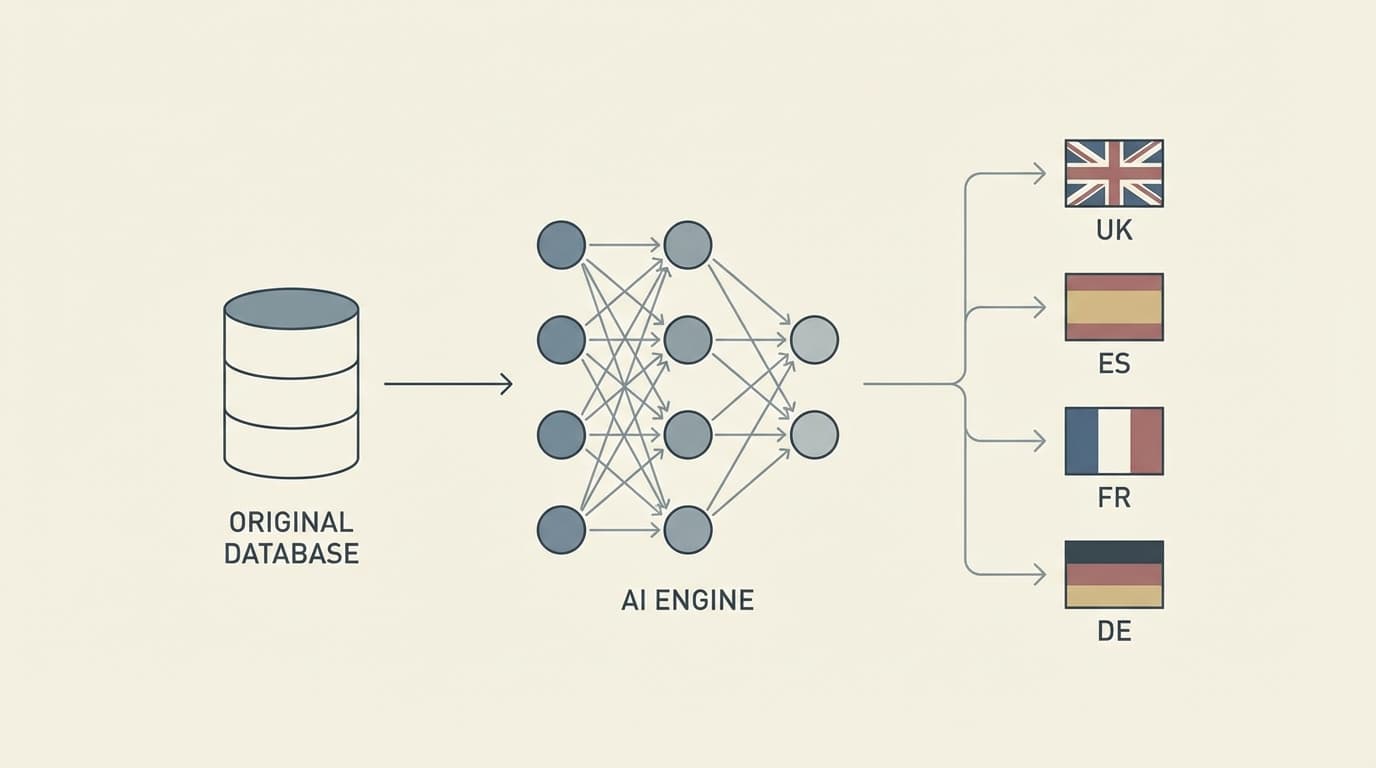
Many teams confuse translating with localizing. While translation converts words from one language to another, localization adapts the message to resonate with a specific audience. A study by CSA Research indicates that 76% of online shoppers prefer to buy products with information in their own language, and 40% state they would never buy from websites in other languages. This proves that product pages don't just inform; they are the ultimate sales tool in eCommerce internationalization.
Traditional machine translation (like Google Translate or DeepL without additional layers) often ignores product context. For example, the word "lead" can refer to a metal, a verb (to guide), or a wire. Without context, errors are inevitable.
Intelligent localization uses generative AI to understand that if a product is in the "Electrical Components" category, it must use specific terminology. Additionally, it adapts elements such as:
To scale eCommerce localization, translating page by page is not enough. A system is required that can process massive volumes of data while maintaining quality. A typical mistake is launching content without a data-driven quality assurance (QA) review, which creates inconsistencies in the PIM (Product Information Management).
Before starting localization, ensure your data source is clean:
If you want to start localizing your product pages tomorrow, follow this procedure:
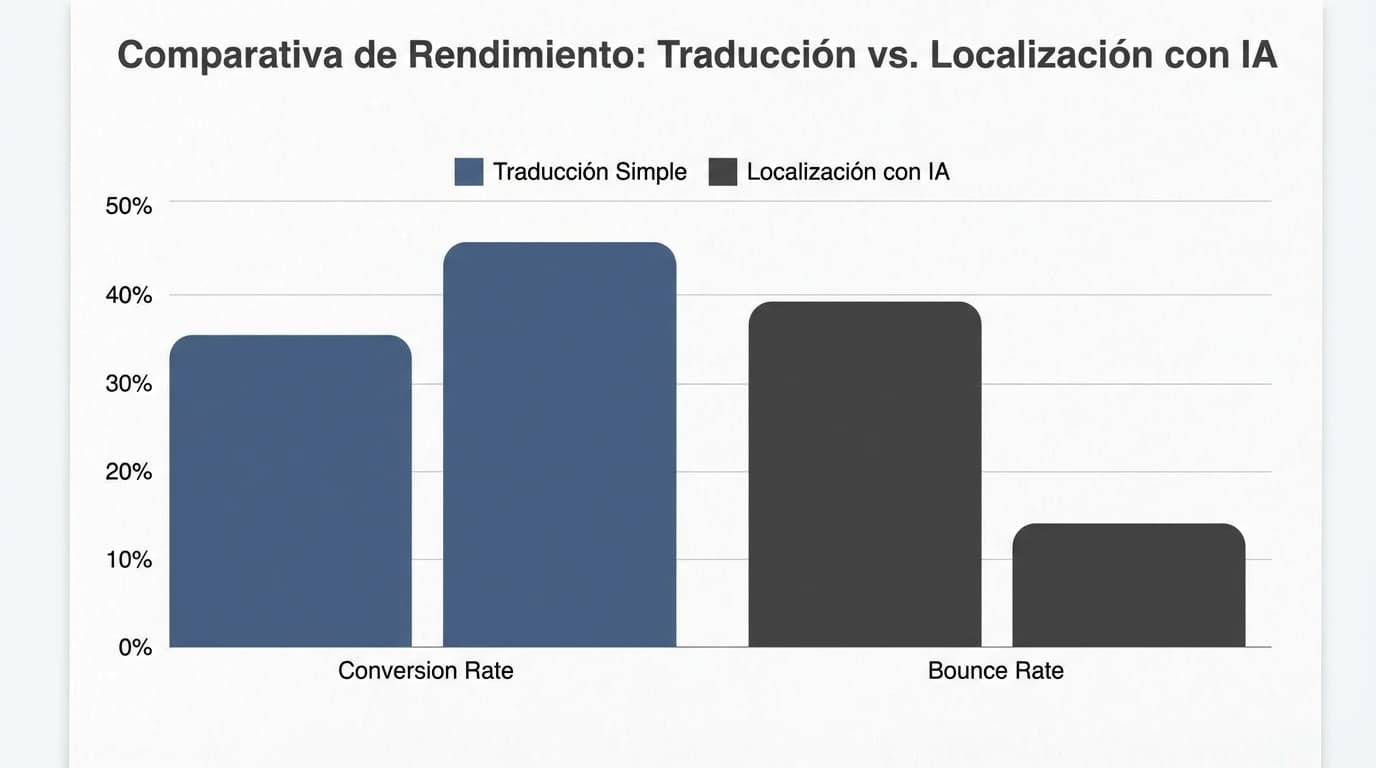
Launching localized content is only the beginning. For catalog management to be efficient, you must measure whether the effort translates into revenue. The impact of good localization is directly reflected in reduced bounce rates on product landings and increased conversion rates.
To understand if your catalog translation strategy is working, monitor these indicators:
According to data from BLEND, brands that have implemented deep localization have seen increases of up to 230% in their conversion rates in specific markets. The key is not just speaking the language, but speaking the customer's language.
In the second case, we haven't just converted units; we've adapted the footwear type and geographical context, generating greater trust.
At ButterflAI, we help eCommerce teams automate this process, allowing them to localize thousands of product pages in minutes. Our technology ensures that every description respects your brand tone and the technical rules of each market without constant manual intervention.
Quick answers to common questions.
A practical playbook to generate product videos at scale using a 5-shot storyboard, AI generators, and a repeatable QA process.
Mar 3, 2026
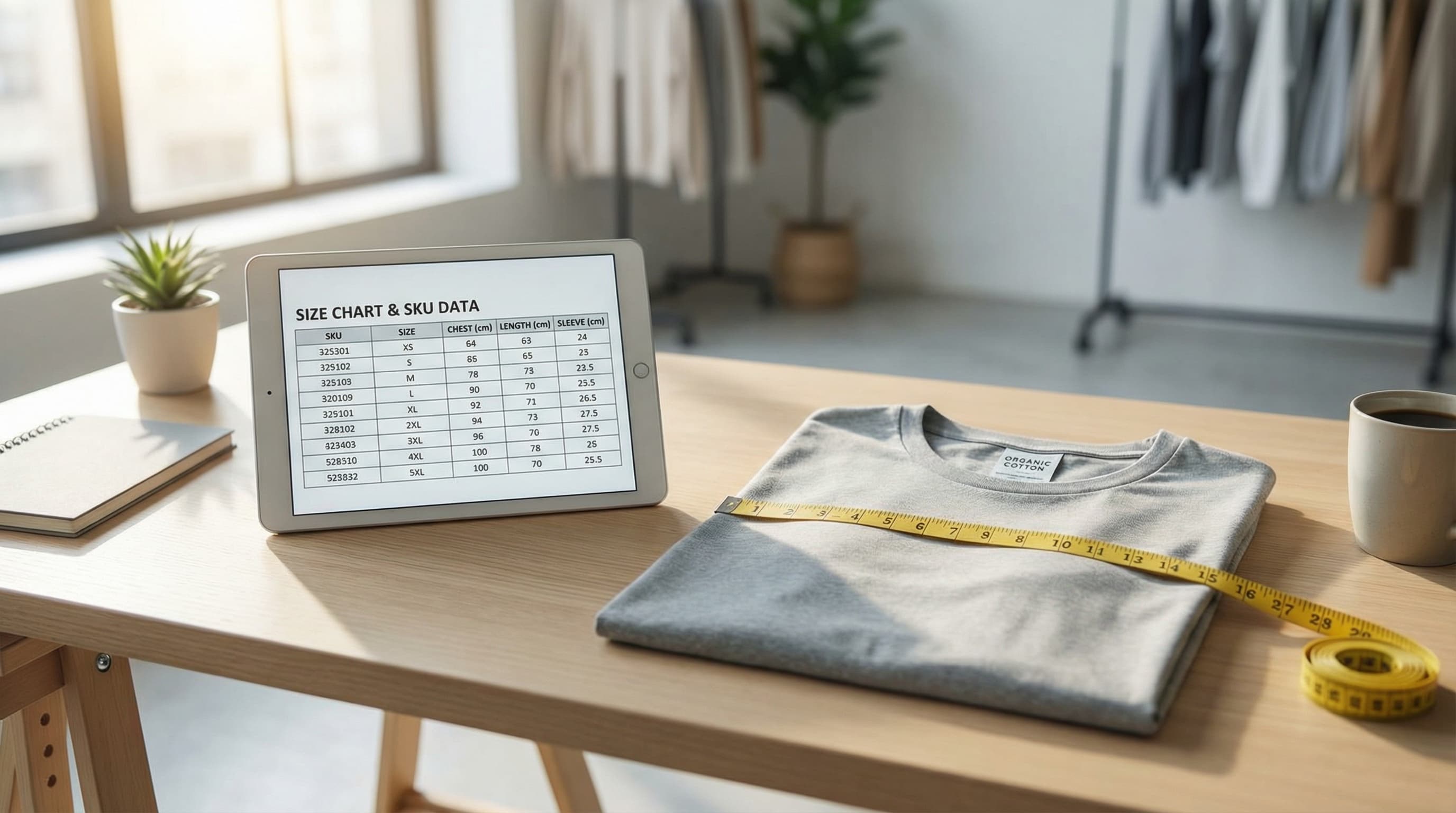
Move beyond static images. Learn how to treat sizing as structured data to reduce returns, improve PDP conversion, and scale your catalog operations.
Feb 11, 2026
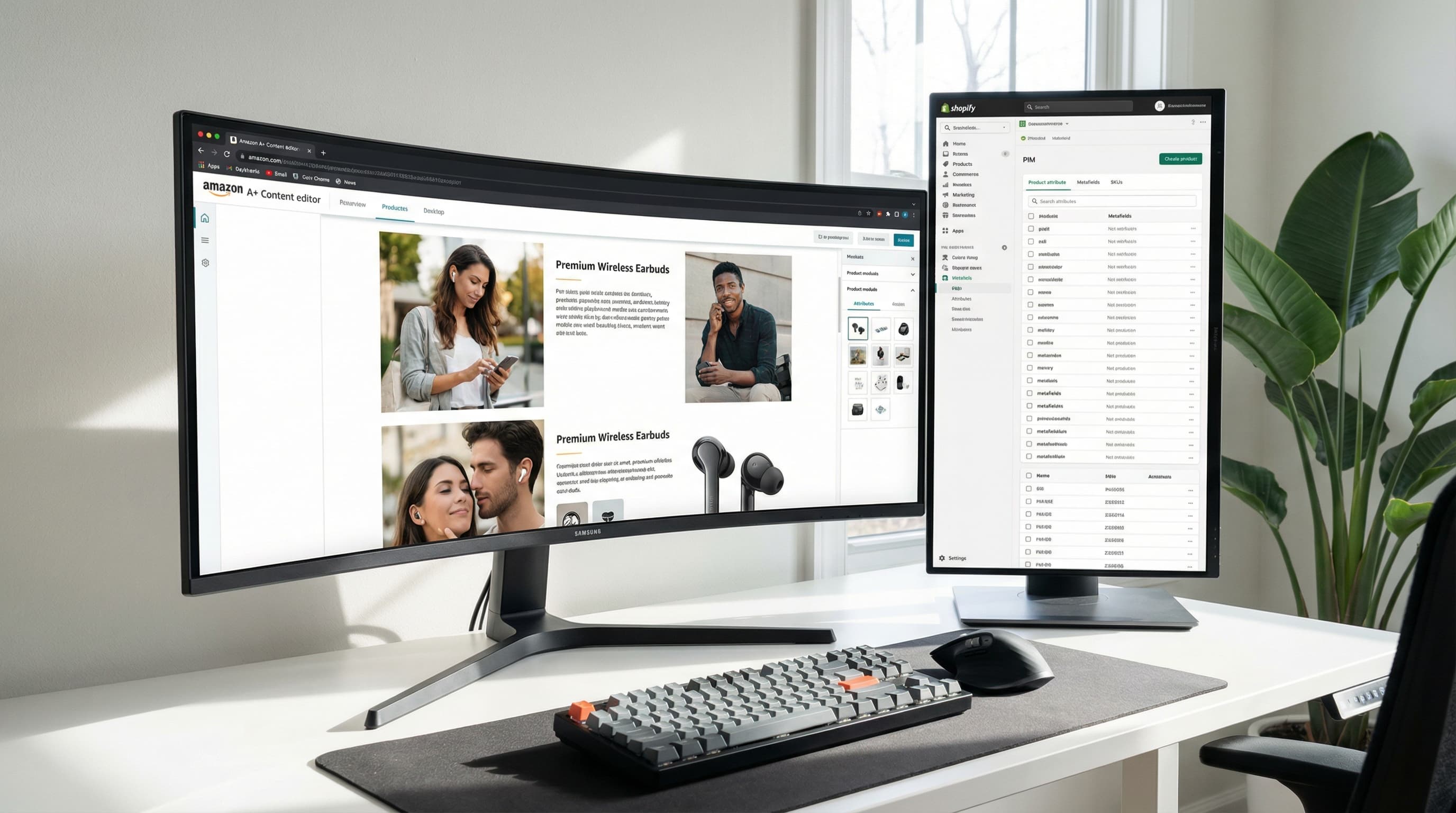
Operational playbook to convert Shopify/PIM attributes and metafields into reusable and scalable A+ modules.
Feb 4, 2026