Product Content
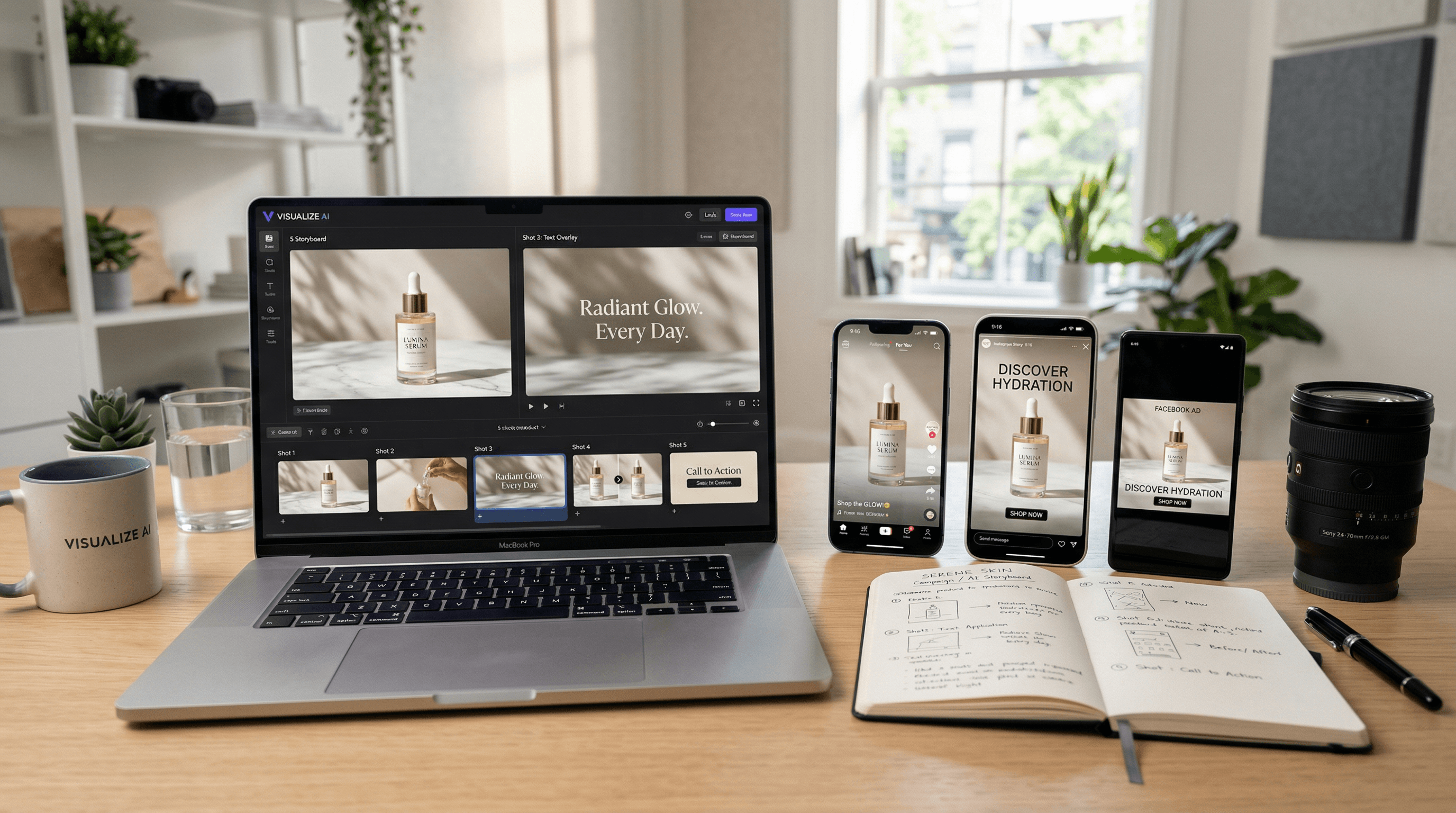
How to Create Product Videos for Ecommerce at Scale with AI
A practical playbook to generate product videos at scale using a 5-shot storyboard, AI generators, and a repeatable QA process.
Mar 3, 2026
Read More
Operational playbook to optimize alt text for thousands of products: SEO, web accessibility, and automation at scale.
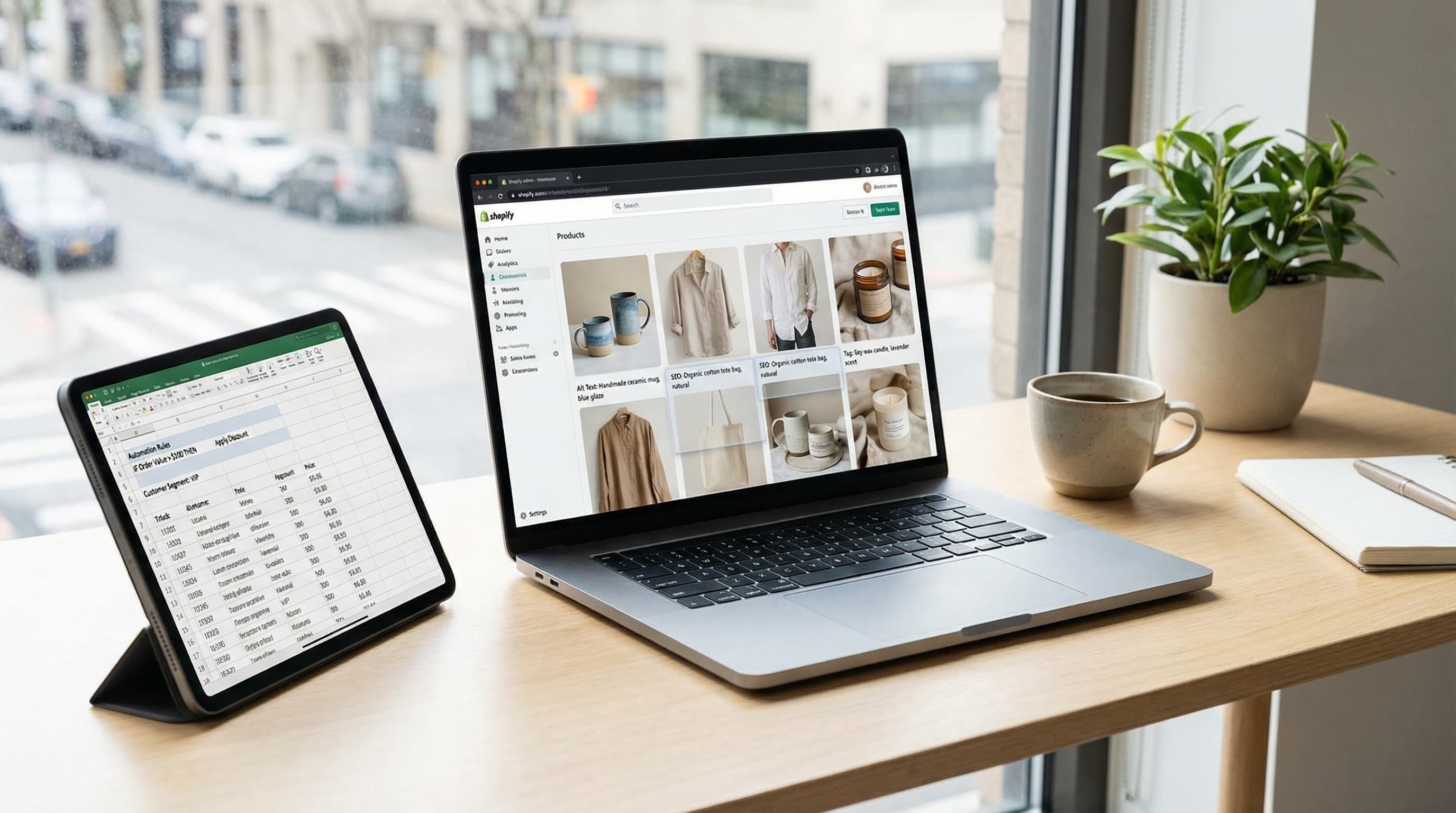
Alt text in Shopify is the alternative text that describes an image and its function on the product detail page (PDP). In large catalogs, this field acts as a critical bridge between image SEO and web accessibility, so it must be managed with clear rules and templates from an operational standpoint, avoiding isolated decisions in massive catalogs.
When this process needs to scale beyond manual edits, the alt text generator helps create consistent, descriptive alternatives from product context instead of filenames or generic prompts.
Alt text is a textual tag that describes the content and function of an image for screen readers and search engines. When an image fails to load or a user employs a screen reader, the alt text conveys its purpose. For search engines, it offers a fundamental semantic signal that helps index images in Google Images and visual searches.
Example: An optimized alt for a sneaker photo might be: "men's running shoes model X blue size 10". Typical Error: Using the filename (IMG_2023.jpg) or leaving the field empty when the image is informative.
You can consult the WCAG guide on text alternatives for accessibility criteria at W3C WCAG 2.1.
WCAG regulations require text alternatives that serve the same purpose as the image. Accessibility has functional and legal implications in many markets. In an online store, product images must describe what is essential for the purchasing decision: product type, color, and variant, avoiding redundant promotional text. Complying with this reduces legal risk and drastically improves the experience for customers with disabilities.
Example: For a t-shirt on sale, the alt should describe "black cotton v-neck t-shirt" instead of repeating "summer sale buy now".
See the W3C practical guide on accessible metadata: W3C Publishing A11y.
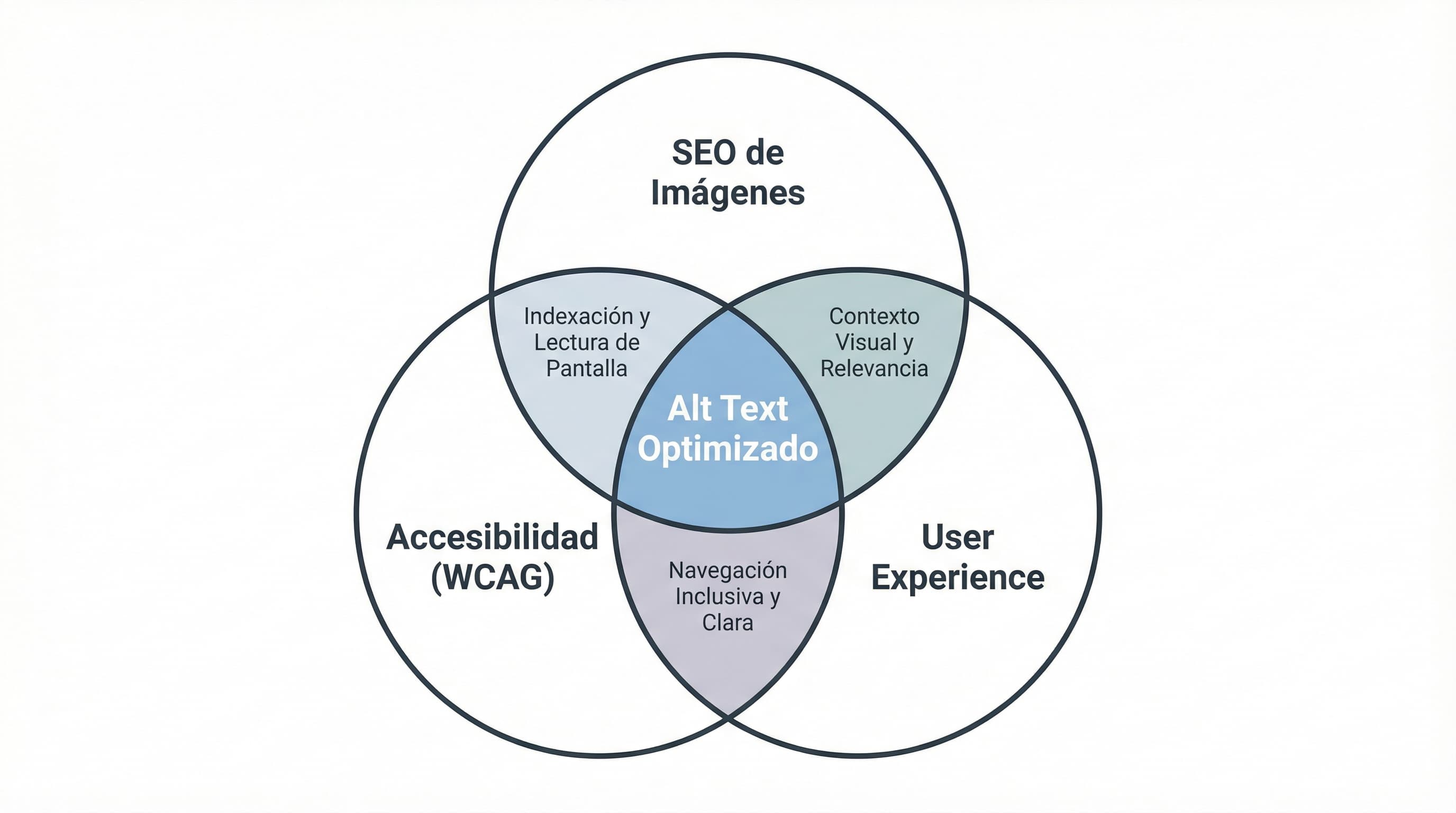
Alt text is one signal among several; it does not work in isolation. Well-written alternative text increases the likelihood of the image appearing in Google Images and helps to semantically relate product attributes.
For a robust implementation, it is necessary to coordinate alt text with other technical signals:
alt_base or naming rules) allowing for scalable alt text management.Coordinate the alt with schema and feed to maintain consistency. Review SEO practices for images at Schema.org Product.
In catalogs with thousands of SKUs, manual errors are repeated and amplified, generating technical debt.
For a reference on a combined accessibility and SEO strategy, review Siteimprove Blog.
This operational framework explains how to generate alt text in Shopify at scale to improve image SEO and accessibility without creating spam or duplicates. It contains rules by image type, a single template, and automation patterns.
TL;DR: Create an alt_base per product in metafields, add only the distinctive attribute in the variant, apply templates by image type, and automate imports with checks that detect duplicates and prohibited terms.
Alt text must describe what matters to the user and search engines without repeating the title or engaging in keyword stuffing. Avoid commercial phrases ("the best", "cheap") and prioritize utility and specificity.
The main packshot is the visual reference of the product and is usually used by search engines as the featured image and by screen readers as the first description.
Brand + Model + Main Attribute + Brief Usage. Keep it between 60 and 110 characters depending on the level of detail. Save the canonical version in the image alt field and in an alt_base metafield to orchestrate updates.Variants share most data with the parent product. You must differentiate only what is necessary so that each alt is unique, avoiding duplicate content.
alt_base with the distinctive attribute. If the variant only changes color, do not repeat size or material if they are already in the base. Use alt_base and alt_variant columns in your CSV to automate merging.alt_base: Delta urban backpack 20 liters black for daily usealt_variant: navy blue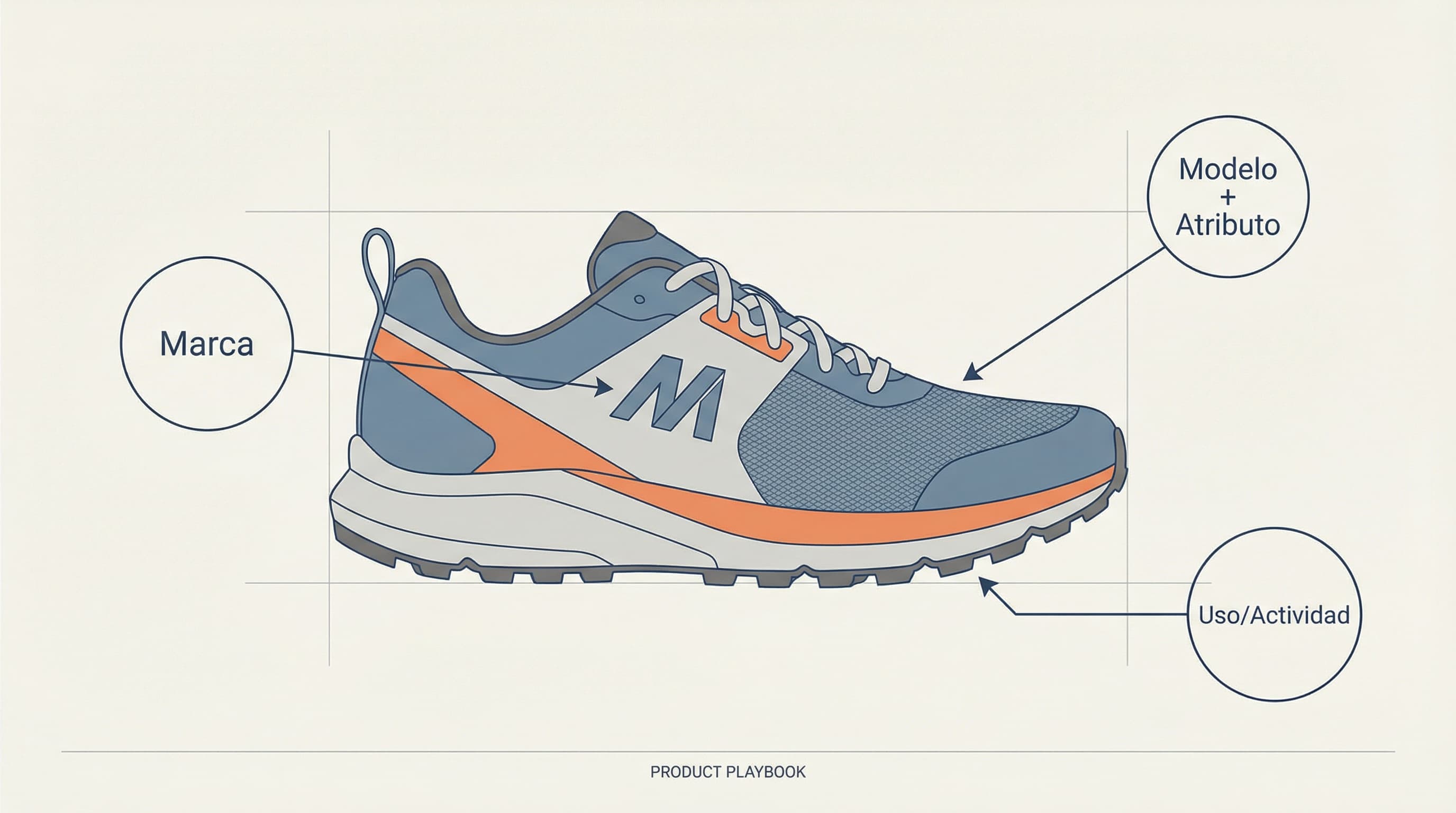
Lifestyle images provide usage context and help rank for purchase intent or inspirational visual searches.
Close-ups justify the use of technical keywords and answer specific product queries (long-tail).
Avoiding duplicate content improves accessibility and reduces "noise" for search engines.
alt_base in metafields and generate final alts by concatenating only necessary attributes.sku, alt_base, alt_variant that a script transforms into the final alt_text column.Ideal Length: Aim for 50 to 125 characters depending on the image type.
This section explains step-by-step how to generate, audit, and update alternative texts at scale without breaking catalog consistency, using the rules defined above.
A clean database avoids overwrites and facilitates automation.
product_id, variant_id), image URL, and title. Ensure every image has a persistent identifier (image_id).product_id, sku, image_url, image_id, current_alt_text, image_type.Batch generation reduces time and maintains coherence if applied with strict templates.
Brand + Model + Color + Shot Type + Detail.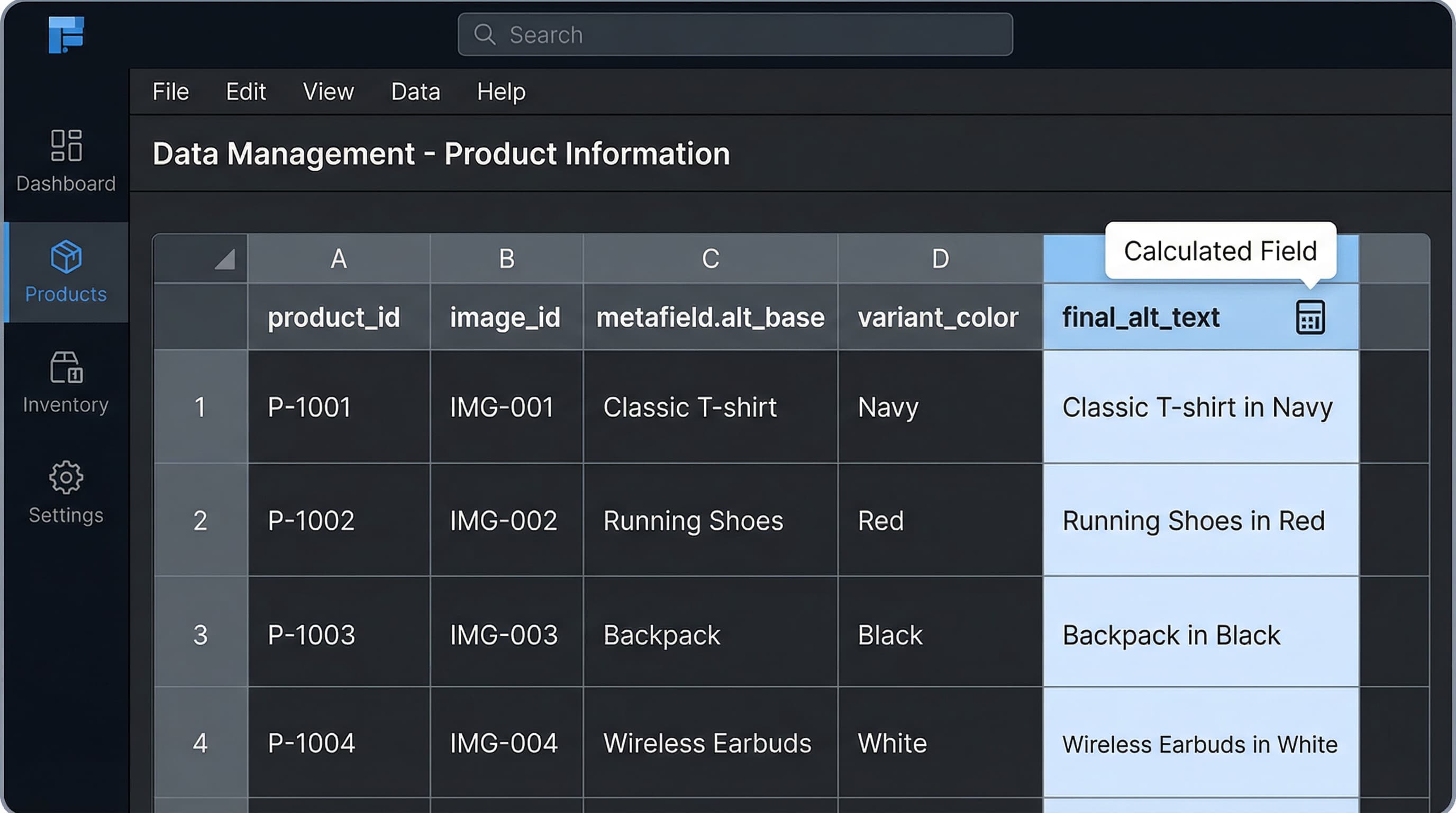
Loading alt text in bulk avoids manual "image by image" editing in the Shopify interface.
Image Alt Text column with the corresponding Image ID.product_id, image_id, and the new alt_text.image_id mapping, which can scramble images or lose the relationship between the variant and its photo.Quality degrades if there are no automatic checks and periodic reviews. Detecting spam, duplicates, and omissions improves both SEO and accessibility.
alt is empty -> Flag for review.alt is an exact duplicate between images of the same product (except identical packshots) -> Alert.alt > 150 characters -> Truncate or alert for manual editing.Managing the alt text of thousands of SKUs while maintaining semantic consistency and accessibility compliance is an unmanageable task manually. "Copy and paste" errors or empty fields penalize the SEO of the entire catalog.
ButterflAI automatically detects unoptimized images and generates descriptive alt texts by analyzing visual context and product attributes. Our platform ensures each variant has a unique description, free of spam, and synchronizes changes directly to your Shopify store, eliminating manual CSV management.
Quick answers to common questions.
A practical playbook to generate product videos at scale using a 5-shot storyboard, AI generators, and a repeatable QA process.
Mar 3, 2026
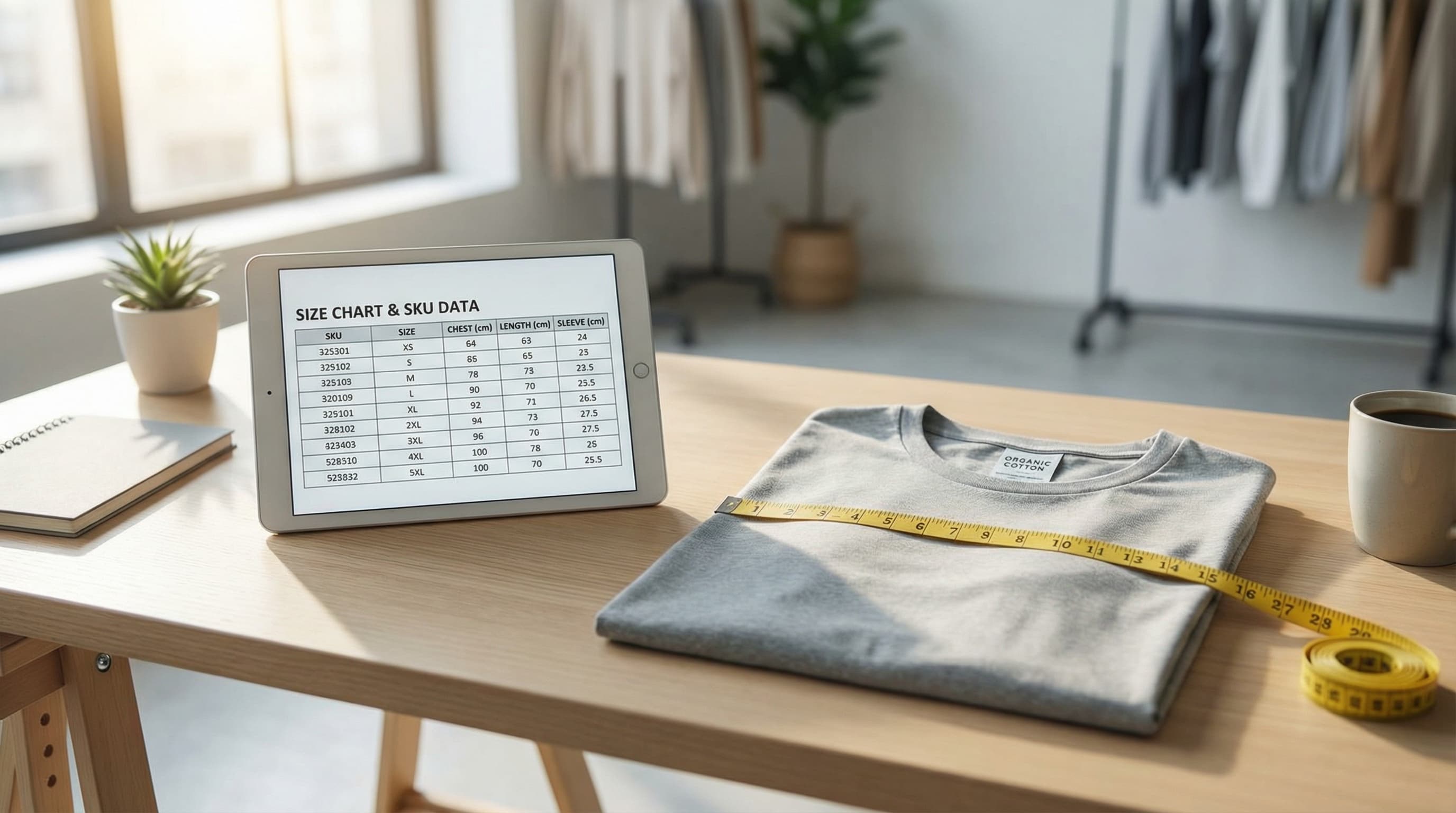
Move beyond static images. Learn how to treat sizing as structured data to reduce returns, improve PDP conversion, and scale your catalog operations.
Feb 11, 2026
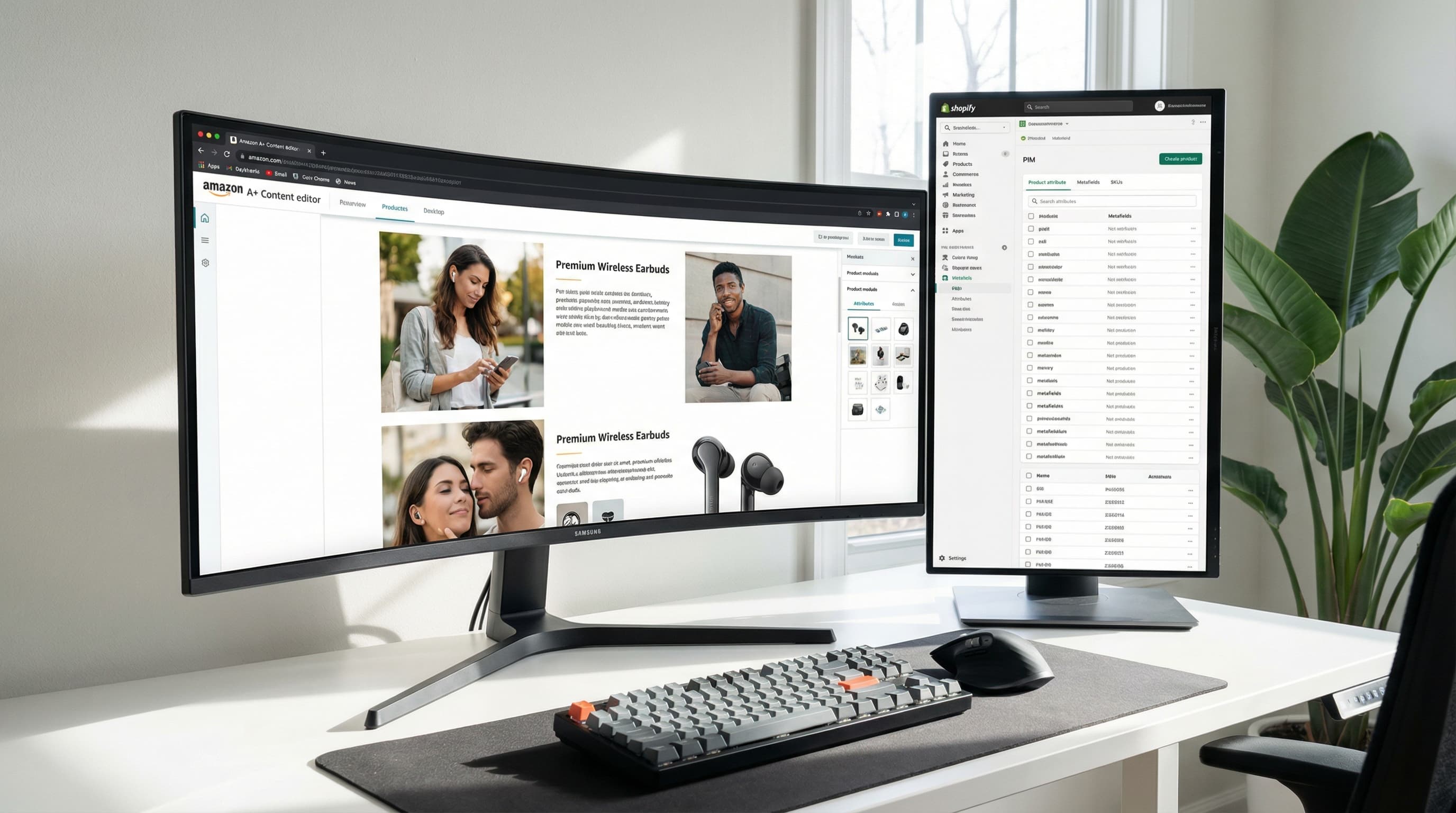
Operational playbook to convert Shopify/PIM attributes and metafields into reusable and scalable A+ modules.
Feb 4, 2026
